
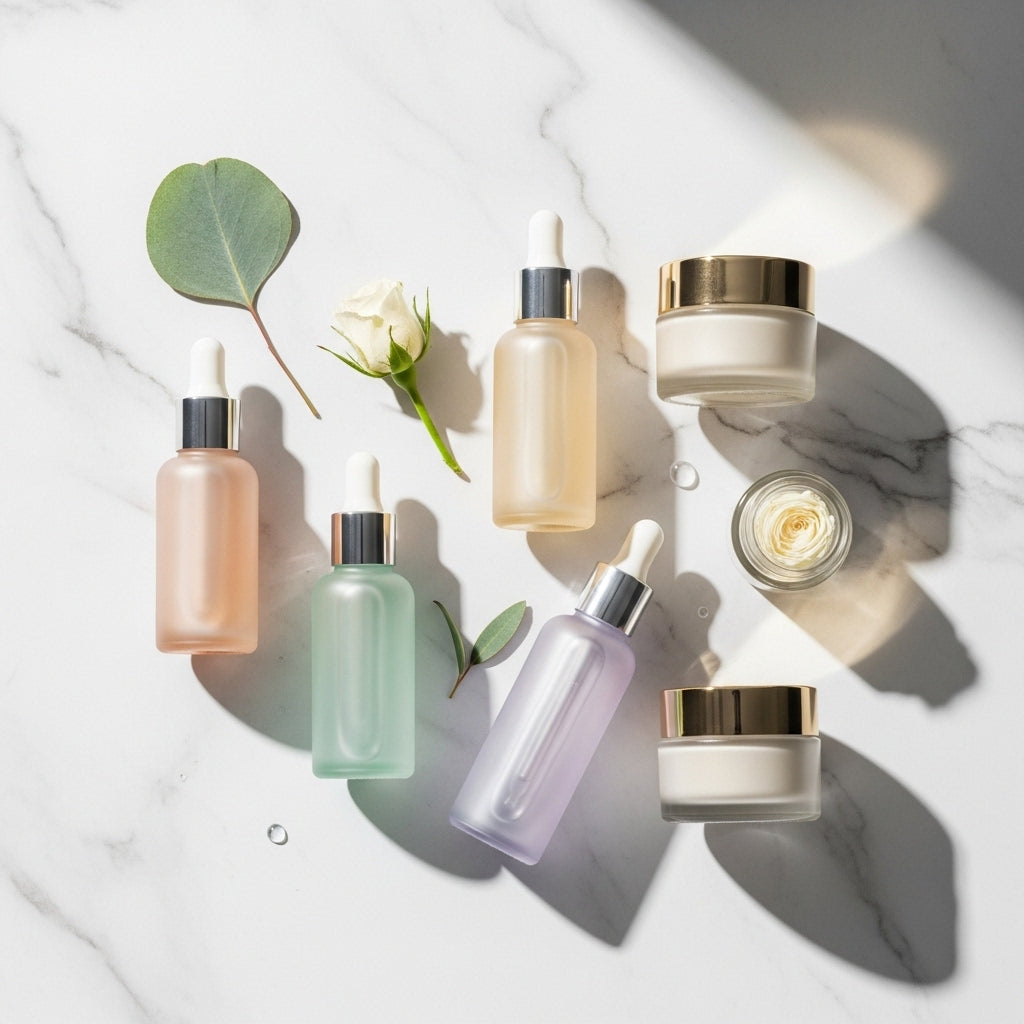
Understanding Your Skin's Unique Needs
Creating a skincare routine that truly works for you isn't about following trends or buying every viral product on social media. It's about understanding your skin type, identifying your concerns, and building a consistent regimen that addresses your specific needs. Whether you're dealing with dryness, oiliness, acne, or signs of aging, the right approach can transform your skin and boost your confidence.
The foundation of any effective skincare routine starts with knowing your skin type. Oily skin tends to produce excess sebum, leading to shine and potential breakouts. Dry skin feels tight and may show flaking or rough patches. Combination skin features both oily and dry areas, typically with an oily T-zone and dry cheeks. Sensitive skin reacts easily to products and environmental factors, often showing redness or irritation. Normal skin is well-balanced, neither too oily nor too dry.
The Essential Steps Everyone Needs
A basic skincare routine consists of three fundamental steps: cleanse, treat, and moisturize. Cleansing removes dirt, oil, and impurities that accumulate throughout the day. This step is crucial because it prepares your skin to absorb the beneficial ingredients in your other products. Choose a gentle cleanser that removes impurities without stripping your skin's natural moisture barrier. For oily or acne-prone skin, look for ingredients like salicylic acid or tea tree oil. For dry or sensitive skin, cream-based or oil cleansers work beautifully.
The treatment step is where you address specific skin concerns. This is when you apply serums, essences, or targeted treatments. Vitamin C serums brighten and protect against environmental damage, making them perfect for morning routines. Hyaluronic acid deeply hydrates and plumps the skin, suitable for all skin types. Retinol and retinoids boost cell turnover and collagen production, making them powerhouse anti-aging ingredients best used at night. Niacinamide helps with everything from pore appearance to redness and uneven skin tone.
Moisturizing seals in all the beneficial ingredients you've applied and maintains your skin's protective barrier. Even oily skin needs moisturizer, though you'll want to choose a lighter, gel-based formula. Dry skin thrives with richer, cream-based moisturizers that provide lasting hydration. Don't forget that daytime moisturizers should include SPF, or you should apply a separate sunscreen as your final step. Sun protection is non-negotiable for preventing premature aging and protecting skin health.
Advanced Steps for Enhanced Results
Once you've mastered the basics, you can incorporate additional steps for even better results. Exfoliation removes dead skin cells, revealing brighter, smoother skin underneath. Chemical exfoliants like AHAs and BHAs are generally more effective and gentler than physical scrubs. Use them two to three times per week, depending on your skin's tolerance. Toners and essences add an extra layer of hydration and prepare skin for subsequent products. Modern toners are nothing like the harsh, alcohol-based formulas of the past.
Face masks provide intensive treatment for various concerns. Clay masks draw out impurities and control oil, perfect for weekly deep cleaning. Sheet masks deliver concentrated serums for instant hydration and glow. Overnight masks work while you sleep to deeply nourish and repair. Eye creams address the delicate skin around your eyes, targeting concerns like dark circles, puffiness, and fine lines. The skin around your eyes is thinner and more prone to showing signs of aging, so it deserves special attention.
Common Mistakes to Avoid
One of the biggest mistakes people make is using too many products or introducing everything at once. Your skin needs time to adjust to new products, especially active ingredients like retinol or acids. Introduce one new product at a time, waiting at least two weeks before adding another. This way, if you experience any irritation or breakouts, you'll know exactly what caused it. Overloading your skin can lead to irritation, sensitivity, and a compromised moisture barrier.
Another common error is neglecting sunscreen or not applying enough. You need about a quarter teaspoon for your face alone, and it should be reapplied every two hours when you're in direct sunlight. All the anti-aging serums and treatments in the world won't help if you're not protecting your skin from UV damage. Skipping nighttime skincare is equally problematic. Your skin repairs itself while you sleep, and nighttime is when many active ingredients work most effectively.
Tailoring Your Routine by Age and Season
Your skincare needs evolve as you age. In your twenties, focus on prevention with antioxidants, gentle exfoliation, and religious sunscreen use. Your thirties call for incorporating retinol and more intensive hydration to address early signs of aging. In your forties and beyond, richer moisturizers, peptides, and more potent anti-aging ingredients become essential. However, these are guidelines, not rules. Some people in their twenties deal with significant aging concerns, while some in their fifties have minimal signs of aging.
Seasons also affect your skin's needs. Winter often requires richer moisturizers and more frequent use of hydrating masks. Summer might call for lighter formulations and more frequent cleansing if you're sweating more. Spring and fall are great times to focus on repair and renewal after the extremes of summer and winter. Pay attention to how your skin feels and looks, and adjust your routine accordingly.
The Power of Consistency and Patience
The most important factor in any skincare routine is consistency. You can have all the best products in the world, but if you only use them sporadically, you won't see results. Most skincare products need at least four to six weeks of consistent use before you notice significant improvements. Some ingredients, like retinol, can take three to six months to show their full benefits. Building a routine you can stick to is more valuable than having an elaborate ten-step routine you only do occasionally.
Remember that expensive doesn't always mean better. Many affordable skincare brands offer excellent formulations with proven ingredients. Focus on what's inside the bottle rather than the price tag or fancy packaging. Read ingredient lists, look for products with high concentrations of active ingredients, and don't be swayed by marketing hype. Your skin will thank you for the attention, care, and consistency you give it, regardless of your budget.


Leave a comment
All comments are moderated before being published.
This site is protected by hCaptcha and the hCaptcha Privacy Policy and Terms of Service apply.